Blog

Sports water bottle, weights and exercise ball

How Physical Activity Impacts Cancer Prevention

We all know that regular physical activity is good for our health. It helps maintain a healthy weight, strengthens our hearts, and boosts our mood. That said, did you know that exercise could also play a significant role in cancer prevention? The link between physical activity and a reduced risk of developing certain types of

Read More »
cancer prevention research

Translating Cancer Prevention Research into Real-World Change

For many, scientific research can seem like a distant world of laboratories, complex data, and academic papers. It’s easy to wonder how studies on cells in a petri dish or large-scale population analyses actually make a difference in our everyday lives. When it comes to cancer prevention research, this translation from discovery to real-world impact

Read More »
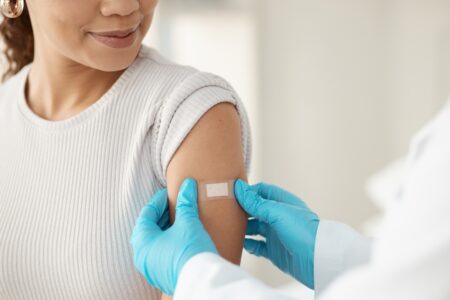
Vaccine

The Emerging Role of Immunoprevention and Vaccines in Cancer Prevention

Cancer prevention has evolved beyond lifestyle changes and early screening. Today, vaccines represent one of the most promising frontiers in cancer prevention, offering the potential to prevent certain types of cancer before they develop. Understanding how these vaccines work and which ones are currently available can help you make informed decisions about your health. Immunoprevention

Read More »
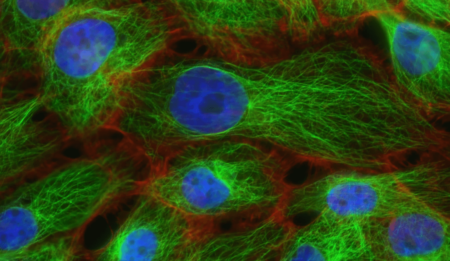
Cells

Trends in Cancer Research 2020: AI, Immunotherapy & Liquid Biopsy

Technology has disrupted healthcare. Its rapid advancement has facilitated a better understanding of cancer. This, in turn, has allowed researchers to develop innovative therapies and drug delivery systems.

While we have made tremendous progress in the past decade, research is fueling continuous transformation in the prevention, diagnosis, and treatment of the many different types of cancer. Here is a look at some of the latest cancer research trends.

Read More »
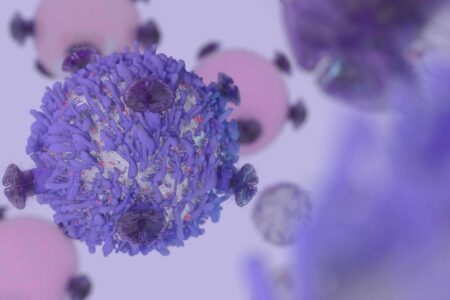
T Cell Lymphocyte With Receptors To Kill Cancer Cell Immunotherapy

A History of Cancer Research

Pre-WWII British medical practitioners were initially reluctant to educate the general public about cancer. They thought public education would make the masses panic or have unrealistic expectations for a cure, thereby undermining the control efforts. So what changed and how did cancer prevention research organisations and charities come about?

Read More »